info@propravo.ua





Legal Framework
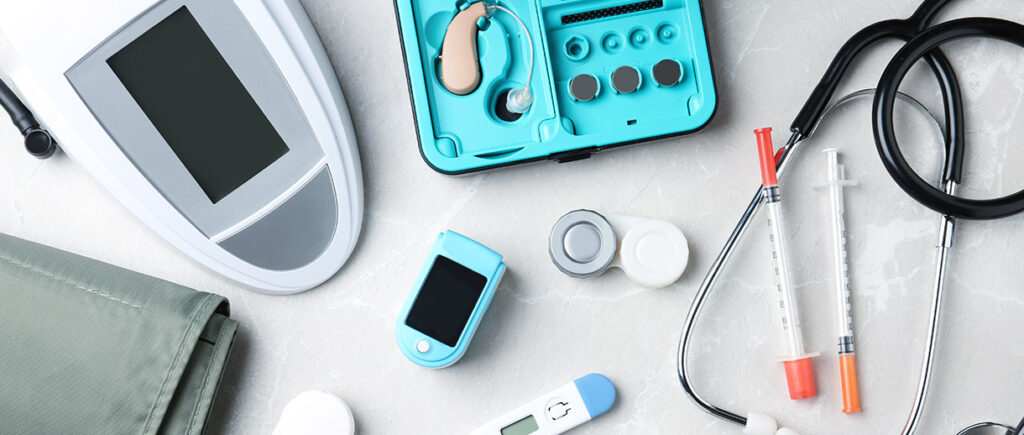
Since July 1, 2015, Ukraine has transitioned from a state registration system for medical devices to a conformity assessment system based on Technical Regulations. These regulations are derived from EU directives and include:
- Technical Regulation on Medical Devices
- Technical Regulation on In Vitro Diagnostic Medical Devices
- Technical Regulation on Active Implantable Medical Devices
It is important to note that having a European CE certificate does not automatically grant access to the Ukrainian market. Manufacturers must undergo a national certification procedure.
Medical Device Classification
Medical devices are classified by risk level into the following categories:
- Class I – Low risk
- Class IIa – Medium risk
- Class IIb – Increased risk
- Class III – High risk
The device classification determines the required conformity assessment procedure and whether the involvement of a designated conformity assessment body is necessary.
Conformity Assessment Procedures
Depending on the class and characteristics of the medical device, different conformity assessment procedures apply:
- Self-declaration and registration with the State Service of Ukraine on Medicines and Drugs Control: Applicable to Class I devices (non-sterile and without measuring functions). The manufacturer or authorized representative independently performs the required steps and issues a declaration of conformity.
- Conformity assessment through manufacturing audit – Required for higher-risk devices. A designated conformity assessment body audits the manufacturer’s quality management system and reviews technical documentation.
- Recognition of an EU certificate – Partial recognition of a CE certificate issued by an EU Notified Body is possible, which simplifies and speeds up the certification process in Ukraine.
- Batch certification – Used for limited batches of devices. This procedure involves document review and sample testing (if necessary).
Key Stages of Certification
- Appointment of an Authorized Representative – For non-resident manufacturers, it is mandatory to appoint an authorized representative in Ukraine responsible for placing the device on the market.
- Development of Technical Documentation – Includes product descriptions, user instructions, test reports, risk assessments, and other required documents.
- Implementation of a Quality Management System (QMS) – Higher-risk devices must comply with ISO 13485, ensuring quality control in production.
- Conformity Assessment – Depending on the chosen procedure, this step may include manufacturing audits, technical documentation review, or other compliance checks.
- Obtaining the Certificate of Conformity – Upon successful completion of the conformity assessment, a certificate is issued, confirming that the device meets Technical Regulation requirements.
- Marking and Market Placement – The device is labeled with the national conformity mark and officially placed on the Ukrainian market.
Labeling Requirements
Medical device labeling must include the following information:
- Device name and intended use
- Manufacturer’s name and address
- Authorized representative’s name and address in Ukraine
- Batch number or serial number
- Date of manufacture and/or expiration date
- Storage and usage conditions
- Compliance marking with technical regulations
All information must be provided in Ukrainian language.
Importance of Certification
Medical device certification ensures:
- Patient safety – Guarantees that the device does not pose health risks.
- Trust of medical professionals – Provides confidence in the reliability of the products they use.
- Legal compliance – Prevents fines and sanctions for distributing non-certified products.
The certification process can be complex and resource-intensive. Seeking professional assistance can simplify procedures and ensure successful market entry for medical devices in Ukraine.